



From the moment a donation or purchase enters the museum, clear and consistent information is essential. AI colleagues help extract key details from intake documents, correspondence and forms, support initial condition notes, and signal missing or unclear information early in the process.
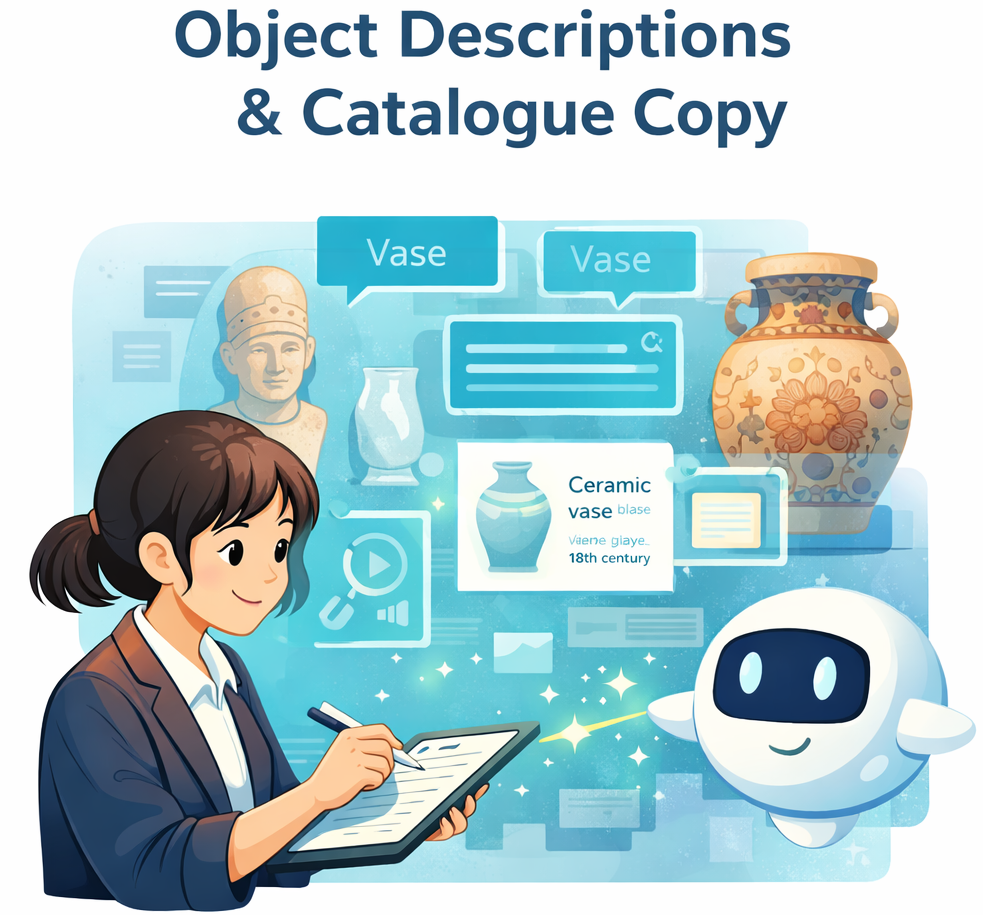
Creating and maintaining good object descriptions takes time and care. AI colleagues support this work by drafting descriptions, identifying materials, techniques and themes, and recognizing people, places and dates, helping collections become easier to search, interpret and reuse.
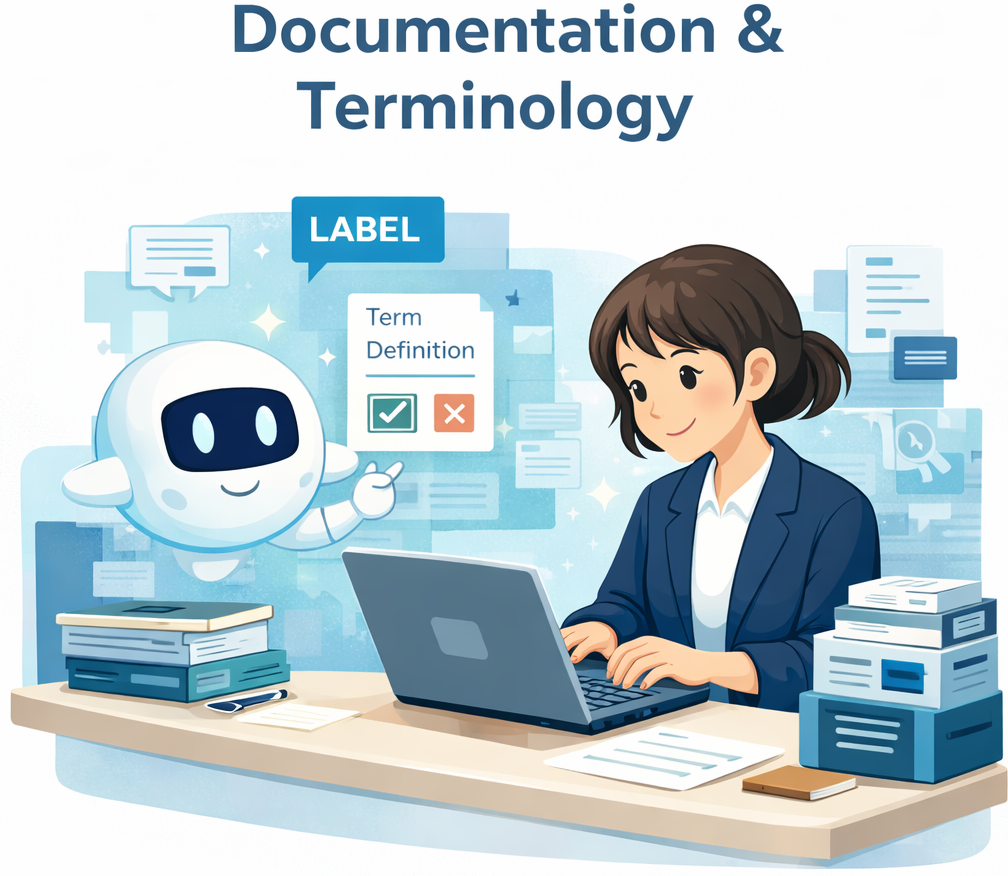
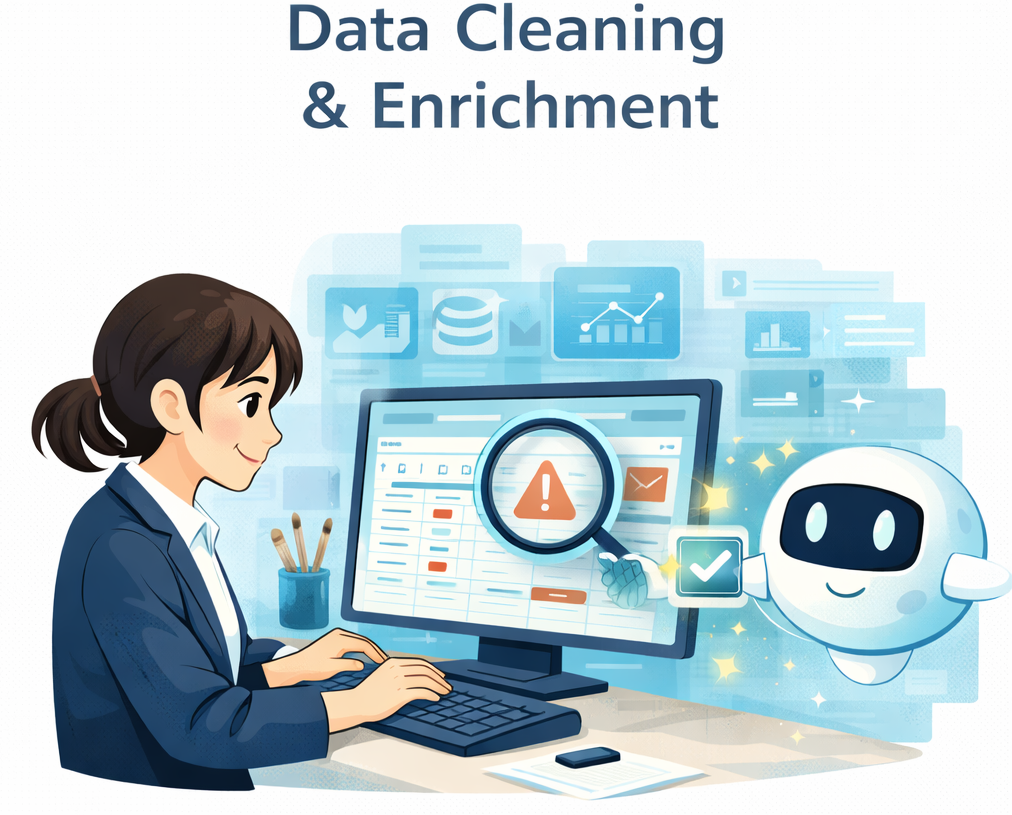
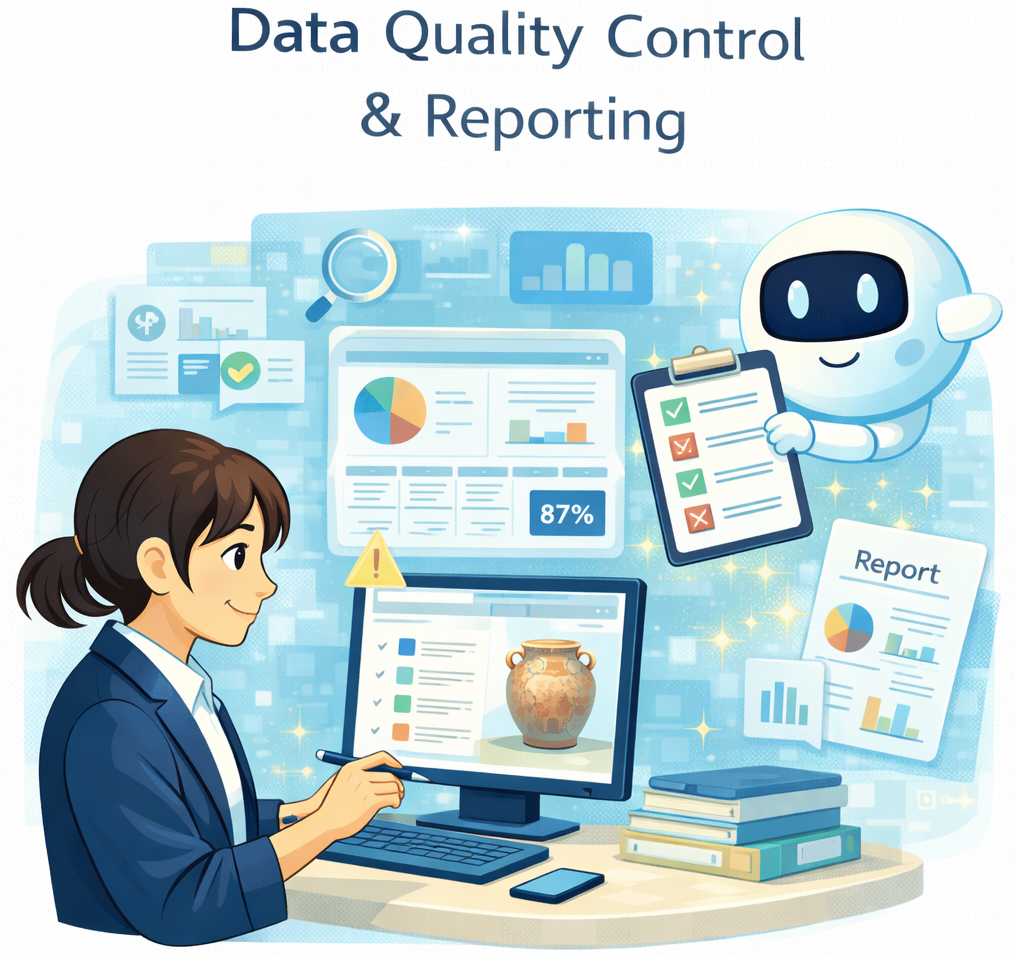
Many collections contain inconsistencies built up over years of different working practices. AI colleagues help identify duplicate records, align terminology, clean up complex or inconsistent fields, and support structured data improvements such as splitting or reorganising fields.
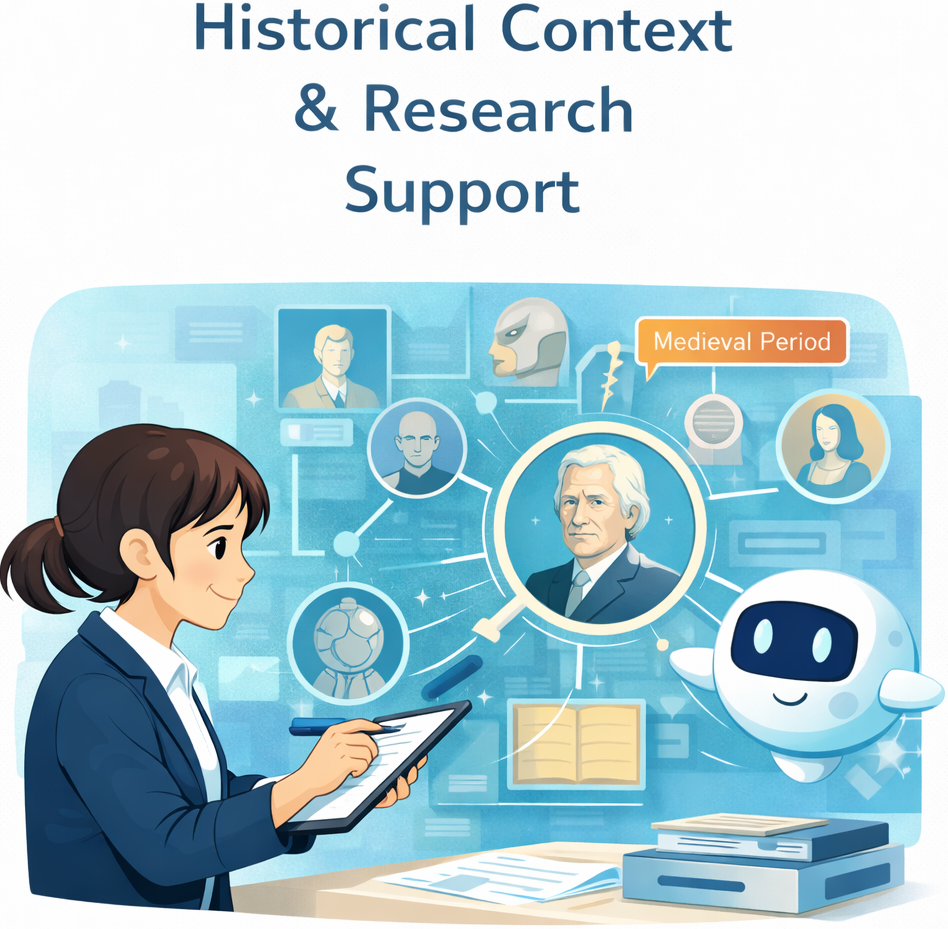
Research often depends on seeing connections across objects, documents and sources. AI colleagues help generate contextual texts based on existing materials, link related objects, people and events, and support thesaurus and authority structures for research and interpretation.
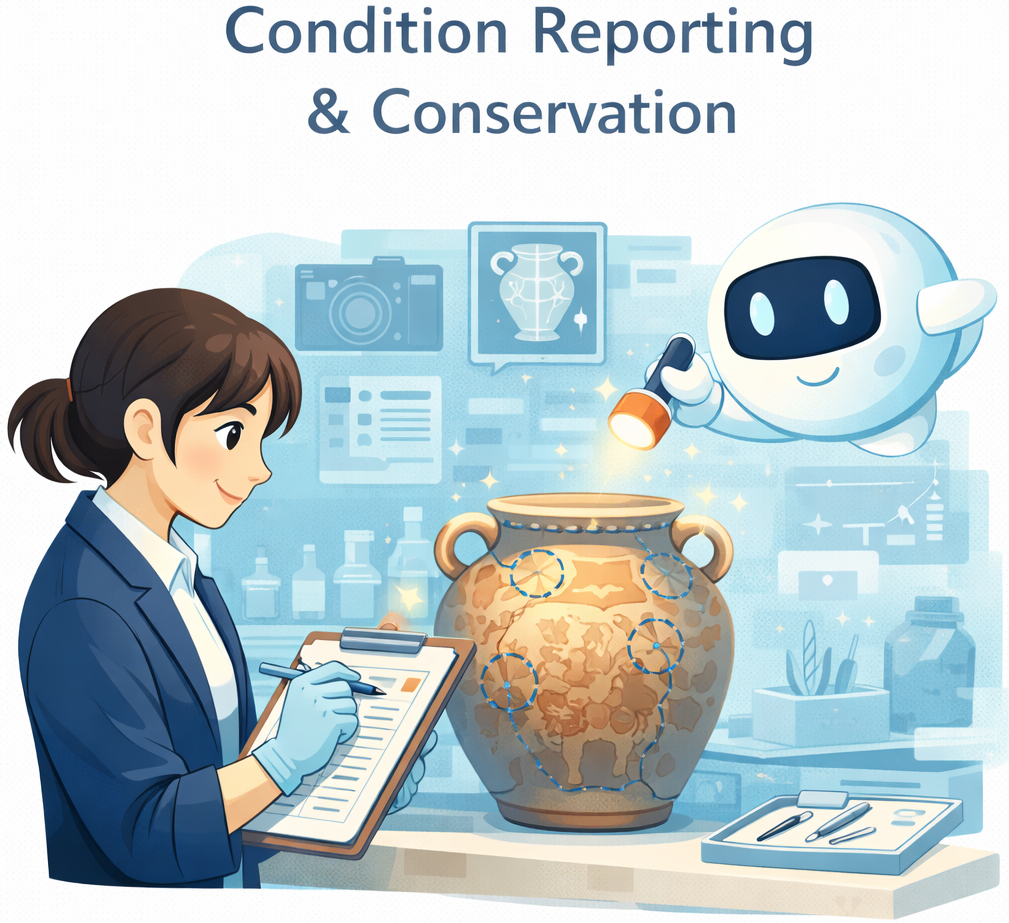
Digitization produces large volumes of images, scans, audio and video that still need to be assessed and described. AI colleagues can analyse images to support condition assessment, read labels or notes, transcribe spoken audio, and help make digital assets searchable and usable.
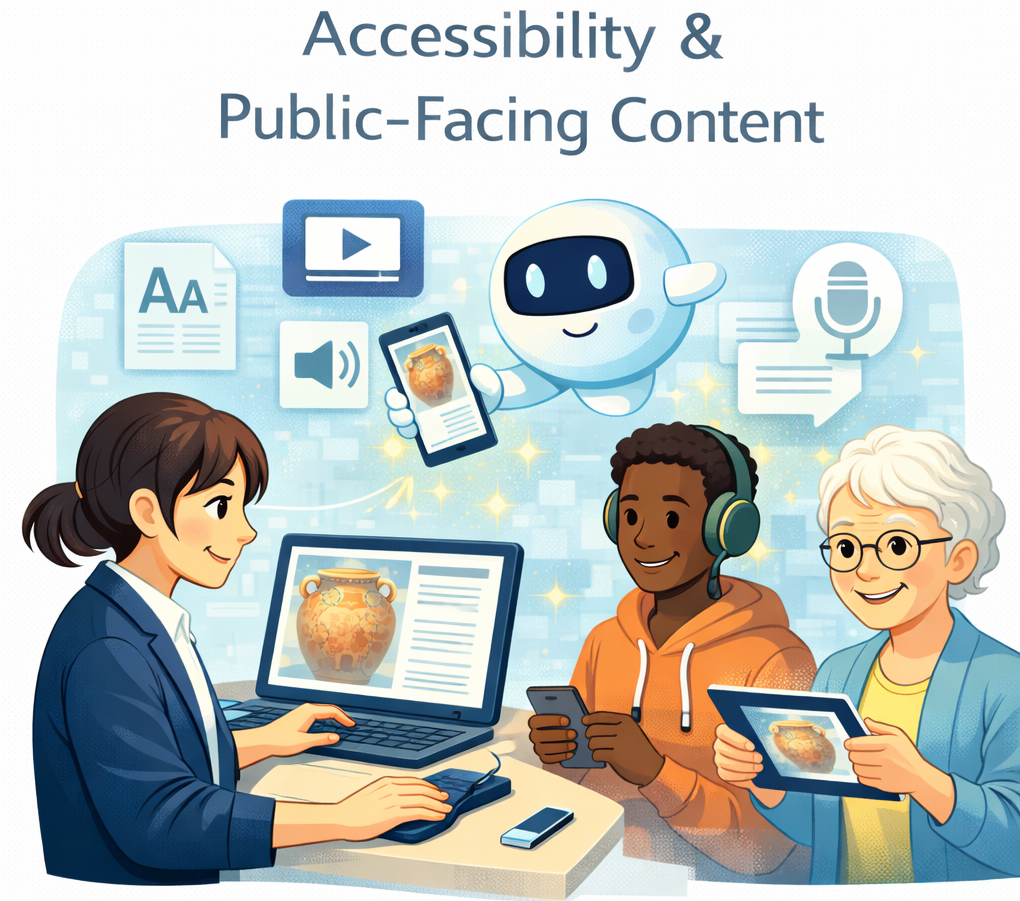
Turning internal collection data into public-facing content requires additional time and expertise. AI colleagues help draft web and exhibition texts, translate and adapt complex content into clear, readable language, and create summaries for education so collections can be shared more widely.

Habits Tracked Per Day
AI Recommendations
Users Worldwide
Do your have any questions? You can contact us by clicking on the button or email us at info@datamachine.nl
We'll get back to you as soon as possible.
